Ozone Therapy
Ozone Therapy Course Outline
Presented By. Dr. S. McKenzie, PhD, IMD, DHS
This course provides a comprehensive understanding of medical ozone therapy, covering its scientific principles, clinical applications, safety protocols, and practical administration techniques. It is designed for healthcare professionals seeking to integrate ozone therapy into their practice.
Module 1: Introduction to Ozone Therapy
1.1 History and Evolution of Ozone in Medicine:
Early uses of ozone.
Key pioneers and their contributions.
Current global landscape of ozone therapy.
1.2 Definition and Properties of Medical Ozone:
Chemical and physical properties of ozone (O3).
Difference between atmospheric/industrial ozone and medical ozone.
Generation of medical ozone (corona discharge vs. cold plasma).
1.3 Regulatory and Ethical Considerations:
Overview of international and national guidelines (e.g., Madrid Declaration).
Legal status of ozone therapy in various regions.
Ethical considerations and informed consent.
Module 2: Fundamental Science of Ozone in Biology
2.1 Basic Biochemistry and Physiology of Ozone Action:
Ozone's interaction with biological molecules (lipids, proteins, carbohydrates).
Formation of ozonizes and reactive oxygen species (ROS).
Role of antioxidant systems (e.g., glutathione, superoxide dismutase).
2.2 Mechanisms of Action (Cellular and Systemic Effects):
Oxygenation: Improved oxygen delivery and utilization.
Immune Modulation: Effects on cytokines, immune cells (lymphocytes, macrophages).
Antimicrobial Effects: Bactericidal, virucidal, fungicidal properties.
Anti-inflammatory Effects: Reduction of inflammatory mediators.
Metabolic Effects: Influence on energy production (ATP), glucose metabolism.
Regenerative Effects: Stimulation of growth factors and tissue repair.
2.3 Dose-Response Relationship:
Understanding therapeutic windows and optimal concentrations.
The "Low Dose Ozone Concept" and its implications.
Module 3: Equipment and Safety Protocols
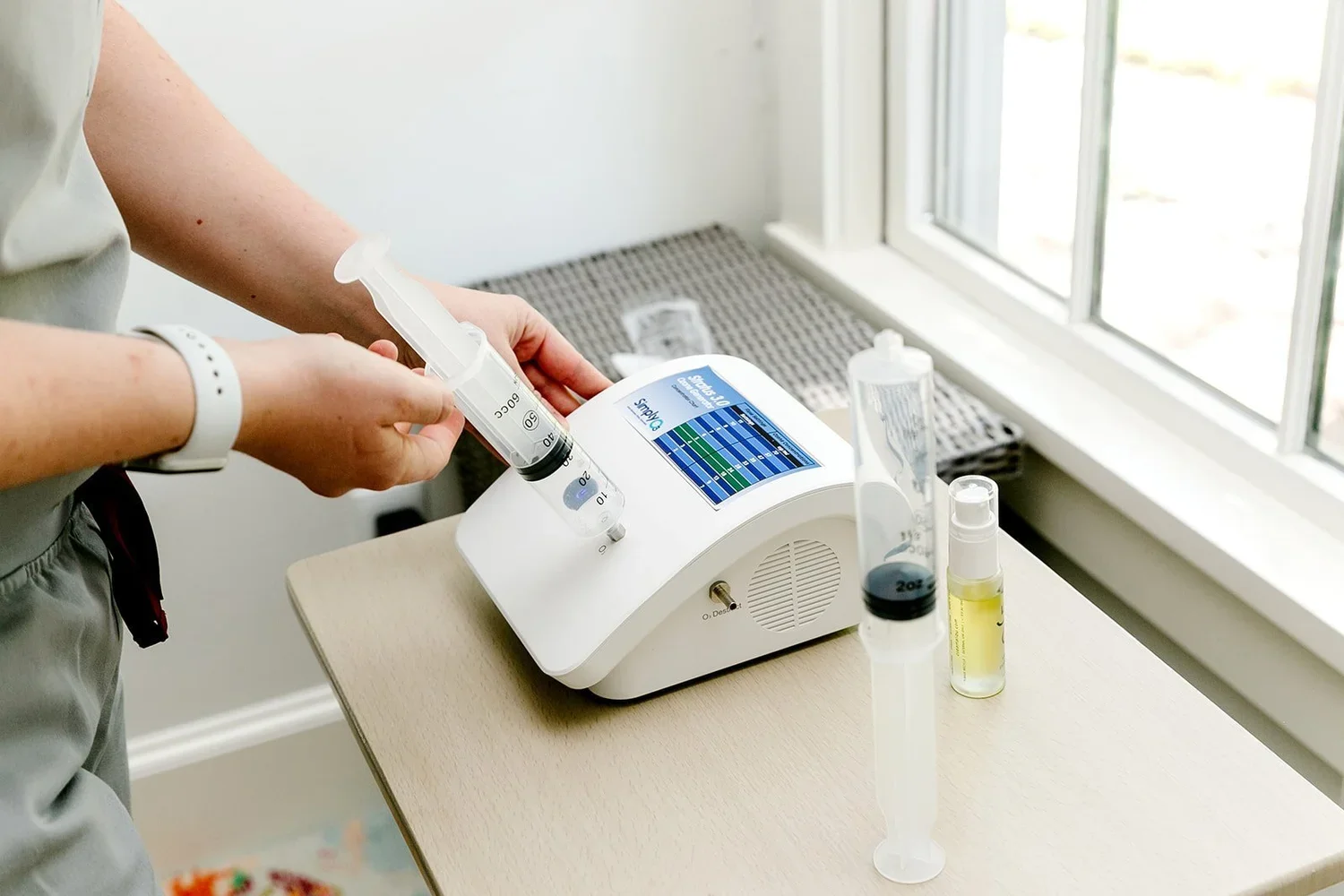
3.1 Ozone Generators:
Types of medical ozone generators and their features.
Calibration and maintenance of equipment.
Ensuring medical-grade oxygen supply.
3.2 Ancillary Equipment:
Oxygen tanks, regulators, flow meters.
Syringes, tubing, bags, and other ozone-resistant materials.
Ozone destructors and environmental safety monitoring.
3.3 Safety Guidelines and Risk Management:
Contraindications to ozone therapy.
Potential side effects and adverse reactions.
Emergency protocols and management of complications.
Proper handling and disposal of ozone and contaminated materials.
Health and safety for practitioners and clinic staff.
Module 4: Methods of Ozone Administration
4.1 Systemic Applications:
Major Autohemotherapy (MAH):
Technique, equipment, and protocols.
Variations (infrared ozone chamber ).
Minor Autohemotherapy:
Technique and indications.
Rectal Insufflation:
Technique, patient preparation, and protocols.
Indications for systemic and local effects.
4.2 Local and Regional Applications:
Intra-articular Injections:
Technique for various joints (knee, shoulder, hip, spine).
Integration with prolotherapy and regenerative medicine.
Subcutaneous and Intramuscular Injections:
Techniques and indications for pain, inflammation, and infections.
Limb Bagging:
Technique for localized infections, wounds, and circulatory issues.
Ozonated Water and Oils:
Preparation and topical applications (oral, dermal).
Sinus Insufflation/Ozonide Therapy:
Technique and indications for ENT conditions.
Ozone full body bag and Sauna:
Technique and systemic detoxification benefits.
4.3 Specialized Techniques (Introduction):
Ear insufflation.
Vaginal insufflation.
Dental applications.
Module 5: Clinical Applications and Case Studies
5.1 Chronic Infections:
Viral (e.g., herpes, hepatitis, chronic fatigue syndrome).
Bacterial (e.g., Lyme disease, chronic sinusitis).
Fungal (e.g., candidiasis).
5.2 Autoimmune Diseases:
Modulation of immune response.
Specific protocols for conditions like rheumatoid arthritis, lupus.
5.3 Chronic Pain and Musculoskeletal Conditions:
Osteoarthritis, disc herniation, fibromyalgia.
Sports injuries and regenerative applications.
5.4 Circulatory Disorders:
Peripheral artery disease, diabetic foot ulcers.
Cardiovascular support.
5.5 Metabolic Disorders:
Diabetes, metabolic syndrome.
5.6 Anti-Aging and Wellness:
Oxidative stress reduction, cellular rejuvenation.
Detoxification support.
5.7 Adjunctive Cancer Therapy (Discussion):
Current research and cautious approach.
Integration with conventional treatments.
5.8 Patient Assessment and Treatment Planning:
Patient selection, history, and physical examination.
Developing individualized treatment protocols.
Monitoring patient progress and adjusting therapy.
Interpreting relevant lab tests (e.g., oxidative stress markers).
5.9 Case Studies and Clinical Pearls:
Review of diverse patient cases.
Troubleshooting common challenges.
Module 6: Practical Training and Certification
Limited demonstration online -full hands-on practice onsite
6.1 Hands-on Practice:
Demonstration and supervised practice of all major administration techniques.
Proper setup and breakdown of equipment.
Simulated patient scenarios.
6.2 Patient Communication and Education:
Explaining ozone therapy to patients.
Managing patient expectations.
6.3 Documentation and Record Keeping:
Maintaining accurate patient records.
6.4 Continuing Education and Advanced Topics:
Importance of ongoing learning in ozone therapy.
Introduction to advanced research and emerging applications.
Testimonials:
As an I have incorporated ozone therapy in my practice as needed to enhance treatment for many years with excellent outcome. And in specific for Oral conditions ear and nose insulations.
Taylor Burke, IMD, DHS
Disclaimer: Ozone therapy training programs vary in content, duration, and prerequisites. Anyone interested in pursuing ozone therapy as a treatment or practice should their professional organizations to ensure they receive proper, legally compliant, and safe training. Ozone therapy, like any medical treatment, carries risks and should only be administered by trained and licensed healthcare professionals.
Fee: $799.00( Part I online). $499.00 (Part II onsite workshop)